
Por Stiven Cartagena
January 28, 2026
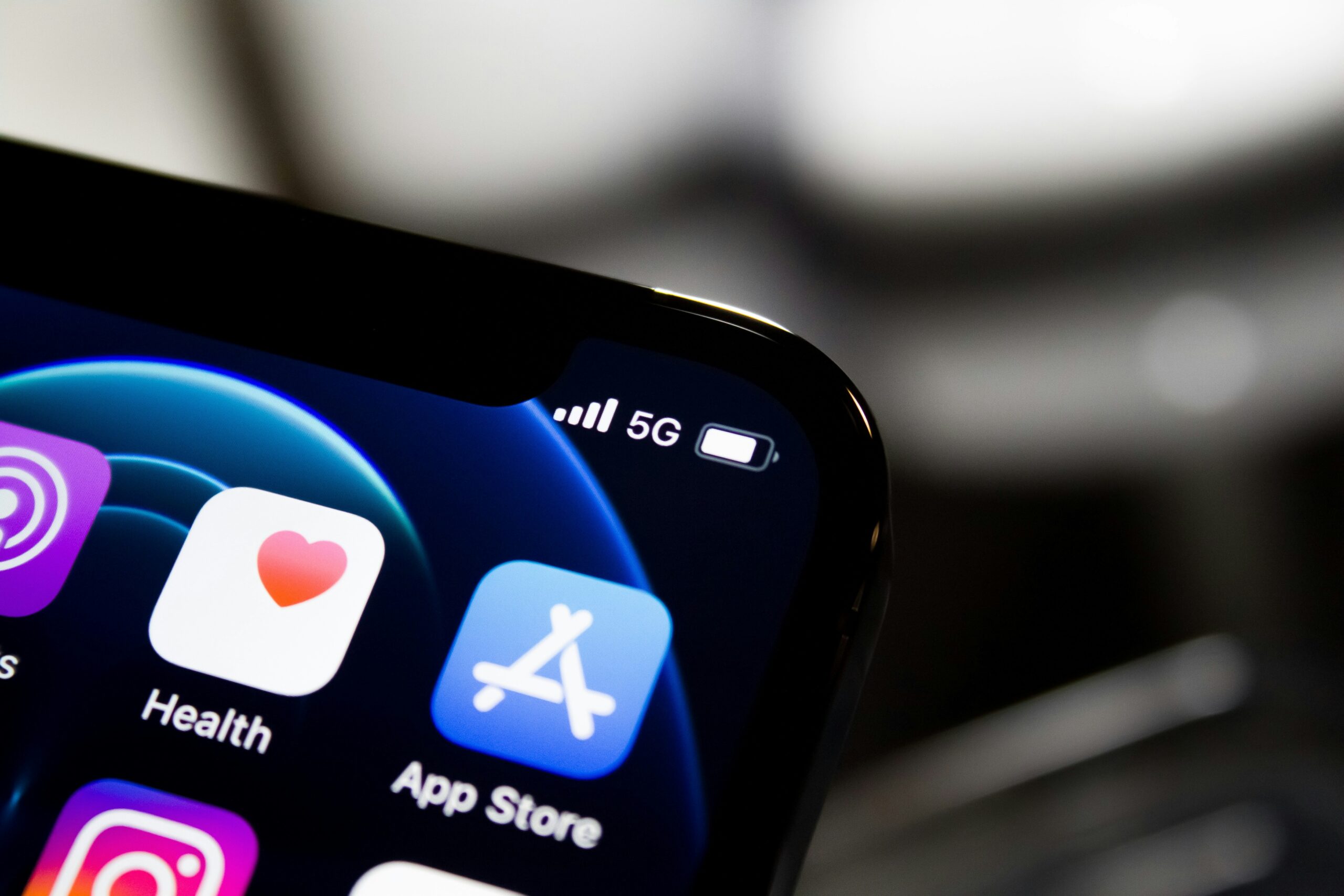
Tech giant Apple, valued at $3 trillion, will allow EU developers to offer apps designed for iOS through alternative stores, the company announced.
The move comes after two months of negotiations with the European Commission, following Apple being fined €500 million for violating the Digital Markets Act (DMA), the flagship regulation designed to limit the power of large tech groups. Throughout the process, Apple has accused the Commission of “moving the goalposts” on what the company must do to comply with EU digital regulations.
This decision on new fines under the DMA comes as Brussels and Washington approach the July 9 deadline to reach a trade agreement. EU rules on big tech giants are a point of friction with US President Donald Trump, although Commission leaders have indicated that they will not change their regulations as part of trade negotiations.
At the same time, Apple has closed one of the most important antitrust fronts outside Europe by reaching an agreement in Brazil. After years of regulatory pressure, the company will allow alternative app stores, third-party payment systems for in-app purchases, and links to external offers on iOS for the Brazilian market.
The agreement, which must be implemented within 105 days, represents a significant victory for Brazil’s antitrust agency (CADE) and marks a new chapter in the global regulation of digital platforms. The case, which began in December 2022 following a complaint, focused not only on payment system restrictions but also on broader issues of digital market distribution, an area that other jurisdictions have largely overlooked.

Artur Assanskiy, Product Director of the alternative platform Onside, explained in an interview with Contxto that major technical changes are likely to come with an iOS update starting in April 2026, not immediately.
“The CADE agreement signed on December 23, 2025, stipulates a compliance period of 105 days, setting the legal deadline for April 7. Historically, Apple uses all the time allowed by regulators, making the April window the most realistic target,” explains Assanskiy.
The technical framework is expected to appear in developer beta versions in mid-February, a critical period for platforms such as Onside to finalize their integrations.
Based on experience in the EU and Japan, Apple is expected to introduce mechanisms to download alternative stores directly from the web, new APIs to use third-party payment providers, and permissions to link to external websites with less friction.
Assanskiy points out that, from a security perspective, the risk to users is limited. “Based on the EU and Japan model, we expect Apple to maintain a basic review process called ‘Notarization,’ automatically scanning apps for malware, even if they are distributed through alternative stores. We add an extra layer of trust by verifying the identity of developers,” he explains, arguing that “the real ‘risk’ is not security, but lack of competition.”
With this move, Brazil joins the global wave of scrutiny over Apple’s App Store practices, while charting its own path by focusing on the distribution of third-party digital goods. For independent developers, especially in Brazil, the opening brings concrete benefits.
“It’s about the unit economy and market access,” Assanskiy points out.
While the traditional App Store in Brazil applies standard commissions of 25-30%, alternative platforms offer a different model, with a total commission of 10% or even 8% if the developer uses their own payment system. “For an independent developer, saving 20% on each transaction allows them to significantly increase their investment in marketing,” he explains.
This flexibility is crucial for Brazil, as it allows developers to integrate preferred local payment methods, such as Pix, without the strict limitations or excessive fees of the traditional store. In addition, these alternative platforms often support high-growth categories that Apple has historically restricted, such as adult content, gambling, betting, and cryptocurrencies, offering Brazilian developers in these sectors a path to deliver a native iOS experience.
The ultimate impact of these policies in Brazil will be primarily economic, affecting price elasticity and business viability. “Many local digital services in Brazil operate on very narrow margins. Under Apple’s 30% regime, these business models were mathematically impossible,” says Assanskiy.
The new regulations, combined with the low fees of alternative platforms, effectively lower the “break-even point” for Brazilian startups. “We expect to see a wave of lower-priced subscription apps, tailored specifically to the purchasing power of Brazilian consumers, apps that simply could not exist when 30% of revenue disappeared instantly.”
For Artur Assanskiy, the role of alternative platforms goes beyond offering lower commissions. “We operate as a partner, not as a faceless corporation. By listening to our community and implementing features quickly, we are building the platform with developers, not just for them.”
This approach includes commitments to highlight promising independent projects and, in some cases, invest our own resources in joint user acquisition tests. He concludes by emphasizing how opening up the market can drive a more diverse and accessible app ecosystem in Brazil.

Por Stiven Cartagena
July 25, 2025
February 24, 2025



