
Por Stiven Cartagena
November 9, 2026
Writing code faster with AI is no longer the hard part. The hard part is making that speed translate into more stable applications, deliveries that arrive on time and results that can be measured, without letting the quality of the systems slip.
The DORA 2025 report on AI-assisted software development surveyed nearly 5,000 technology professionals and reached an uncomfortable conclusion: AI tends to amplify what already exists in an organization, whether its strengths or its weaknesses. Buying new tools, then, doesn't fix engineering problems if processes and ways of working aren't ready to absorb them.
The numbers show it. According to the study, a 25% increase in AI adoption was associated with a 1.5% drop in software delivery performance and a 7.2% drop in delivery stability. These are statistical associations and don't prove cause and effect, but they show how hard it is to measure the impact of these technologies across the whole development cycle.
That's the conversation Academic HealthPlans (AHP) is stepping into. It has partnered with Gorilla Logic on a multiyear technology transformation. The plan: strengthen its engineering capabilities and adopt a model of AI-assisted development that can be measured.
Academic HealthPlans, part of Brown & Brown Team, advises on and administers student health and wellness plans for universities and higher education institutions in the United States. It has been in the business for nearly three decades and now wants to bring its technology infrastructure, data capabilities and engineering processes up to date to better serve the institutions it works with.
The agreement with Gorilla Logic covers modernizing its core platform, strengthening its development processes and building a more scalable model for creating products and serving clients.
To get started, the two teams assessed AHP's technology and engineering environment using AI tools. They combined that analysis with specialized technical expertise to pinpoint where modernization would have the most effect.
The project also calls for AI-driven engineering workflows under governance rules, a shared technical knowledge base and a framework for measuring development speed, reliability and the predictability of deliveries.
Gorilla Logic will put its Construct™ engineering system to work, which brings together reusable knowledge, reference architectures, acceleration tools and proven development practices.
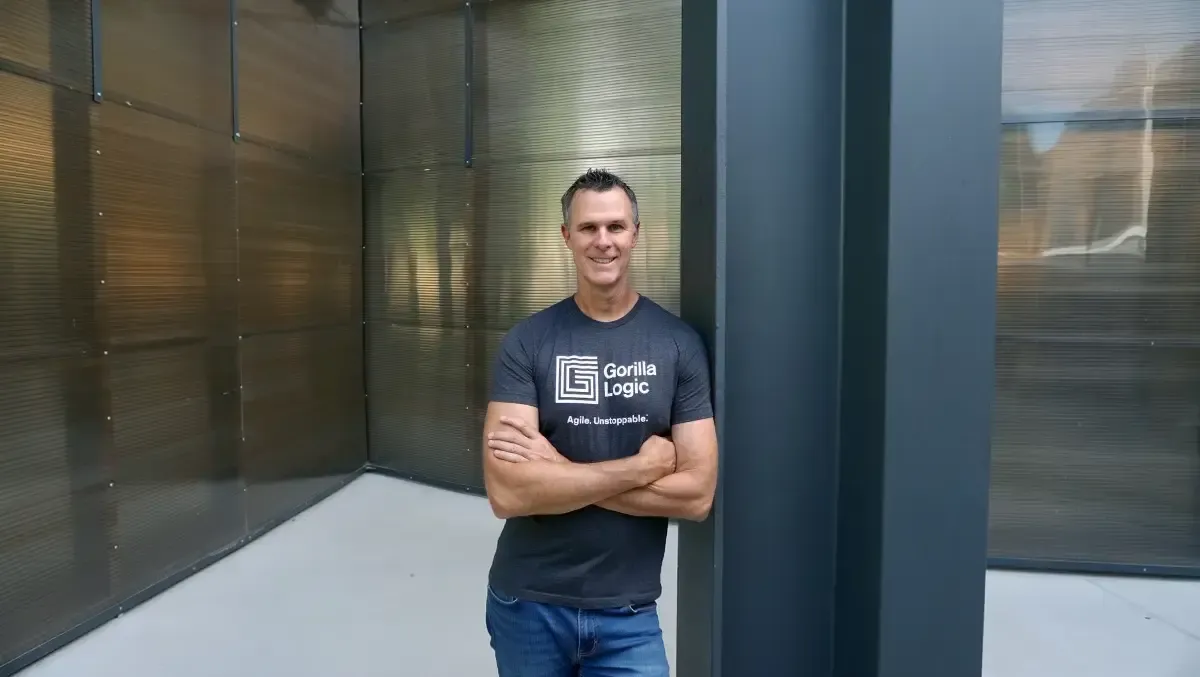
"AI can increase the speed of software development, but enterprise-grade technology still requires governance, sound engineering practices and experienced judgment", said Drew Naukam, CEO of Gorilla Logic.
In early November, the firm also announced that it joined the Claude Partner Network's Services Track as a Select Services Partner.
Among the goals of the collaboration are giving AHP's engineering teams more autonomy, making deliveries more predictable and expanding its capacity to innovate. The company also hopes to make better use of data and AI to draw out insights that improve the services it offers to educational institutions.
What isn't known is how much it will cost or what it promises. The organizations did not disclose the financial terms, productivity targets or estimated savings. The impact will have to be judged by the operational indicators defined during the project.
"Technology is increasingly central to how we help institutions navigate the complexity of student health. This partnership is an investment in where that experience goes next", said Terry Lyons, CEO of Academic HealthPlans.
AHP, founded in 1998, designs customized student health benefit programs and provides administrative services to higher education institutions. Gorilla Logic, for its part, offers product and platform engineering with AI, intelligent agents, workflow automation, AI-assisted development and enterprise integration.
"AI creates an opportunity to fundamentally improve how we operate and how we serve our clients, but the goal is bigger than simply introducing new technology", added Lyons.
Many companies are at the same point: moving past AI experiments and building the technology into engineering processes that will hold up over time. There, productivity won't depend only on how much code a machine can generate. It will depend on whether the company can keep its systems reliable and turn the technology into concrete improvements.